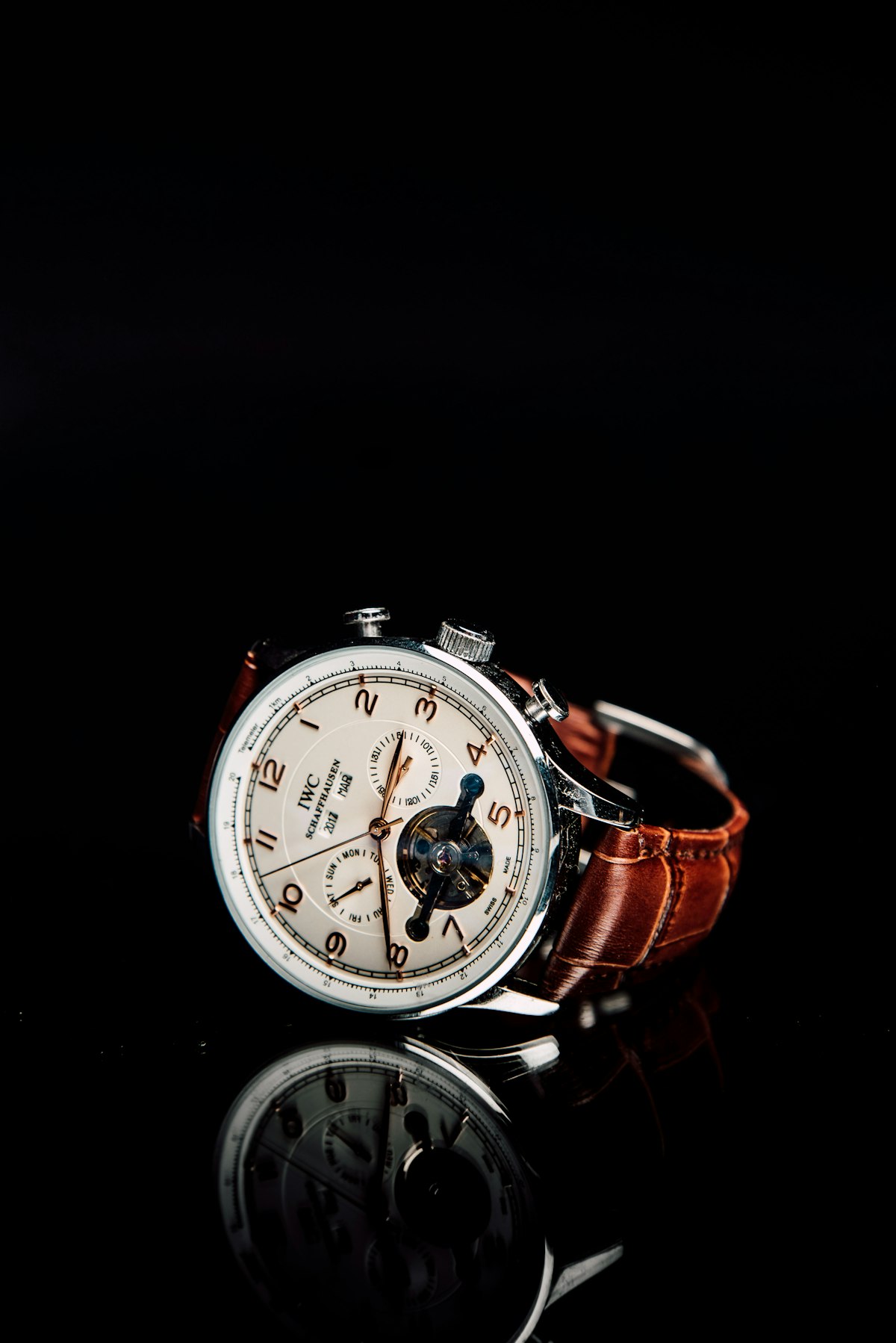
Watchmakers report a distinct shift in how collectors talk about new purchases — fewer questions about resale value or investment potential, more questions about durability across decades and whether a movement can realistically be serviced in fifty years.
The mechanical watch has no functional advantage over a phone or a quartz movement for telling time. Its appeal instead rests entirely on the idea of continuity — a wound spring and a set of gears that can, in principle, run for generations with occasional care.
"Nobody needs a mechanical watch anymore. That's exactly why it means something to hand one down." — Independent watchmaker and restorer
Restorers say the clearest sign of the trend isn't sales figures but repair requests — a steady rise in decades-old family watches being brought in not to be sold, but to be made to run again before being passed to the next generation.